
Energy
Hormuz is open again, but oil markets are not yet out of the woods
After months of closure, the first tankers are moving through the Strait of Hormuz again and oil prices have eased. Reopening the waterway, though, is the start of the recovery rather than the end of it.
The Strait of Hormuz is reopening, and oil markets are exhaling. Brent crude settled near 80 dollars a barrel at the end of the week, down almost 8 percent over five trading days, as the first crude and gas carriers since the conflict began moved through the waterway again. After months in which the strait was largely closed, the direction of travel is finally positive. The path back to a normal market, however, is not a switch that flips. It is a process measured in weeks and months, and several obstacles still sit between a reopened strait and a market that works the way it did before.
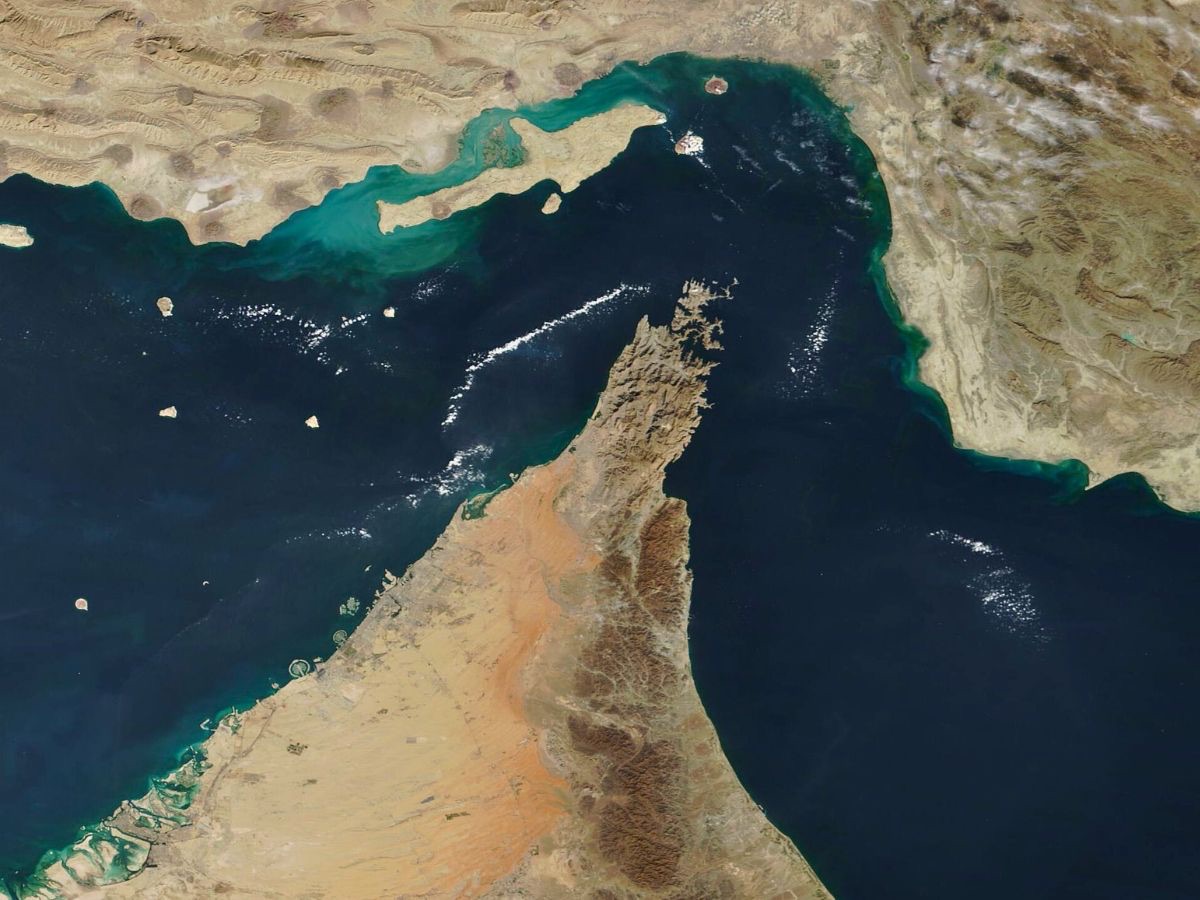
The strait matters because so much of the world's seaborne oil passes through it. When a channel this important closes, the effect is felt across the globe within days, in prices, in freight rates and in the calculations of every government whose budget leans on energy. That is why the reopening, even a tentative one, has taken the sharpest edge off the price spike that the closure produced.
What the reopening looks like so far
The early signs are real but uneven. Several crude and gas vessels transited the strait successfully during the week, and Gulf producers moved quickly to restore flows. Kuwait is lifting output and expects to push production back above 2 million barrels a day within days, while the UAE has told customers to resume loadings at its Persian Gulf terminals. Out in the Gulf itself, supertankers are already positioned with close to 80 million barrels of crude on board, ready to sail the moment confidence returns. Yet traffic slowed again toward the end of the week, a reminder that the appetite to move is running ahead of the willingness to go first.
- Brent crude near 80 dollars a barrel, down almost 8 percent on the week.
- First crude and gas carriers since the conflict transited the strait this week.
- Kuwait expects production back above 2 million barrels a day within days.
- The UAE instructed customers to resume loadings at its Gulf terminals.
- Supertankers inside the Gulf are holding close to 80 million barrels ready to move.
- Recovery to normal flows is expected to take months, not days.
The obstacles that remain
Reopening a waterway is not the same as restoring confidence in it. Navigation and routing procedures are still unresolved, and parts of the channel need to be cleared before owners will treat passage as routine. There is also a financial overhang. Proposals for mandatory insurance and possible transit fees would raise the cost of every voyage, and they cut against the long-standing principle that international waterways stay open and toll free. Until those questions are settled, many shipowners will keep their vessels waiting rather than commit them, and the prevailing mood is that no one needs to be the first ship through.
What it means for the region
Energy still sits at the centre of the Gulf economy, so the speed of normalisation shapes far more than the oil price. It feeds into government revenue, shipping and insurance costs, and the broader confidence of investors who watch the region closely. For the UAE in particular, years of diversification away from a pure dependence on hydrocarbons mean the country is less exposed to a single shock than it once was. Even so, much of the Gulf's trade and logistics still moves through these waters, which is precisely why resilient routes and a diversified economy matter so much.
Our reading
Three things stand out. First, the reopening is the beginning of the recovery rather than its conclusion, and the market is right to treat the easing in prices as welcome but fragile. Second, the binding constraint has shifted from the physical strait to logistics and trust, which means the recovery will be paced by insurance terms, navigation rules and the willingness of owners to sail rather than by the strait itself. Third, the episode is a clean illustration of why diversified routes and diversified economies are worth the investment, because the economies that weather a chokepoint shock best are the ones that were never wholly dependent on it. We read the reopening as a genuine turning point, with the harder work of restoring full confidence still ahead.
Topics