Finance
The world's biggest alternative asset manager is returning to Dubai, and keeping Abu Dhabi too
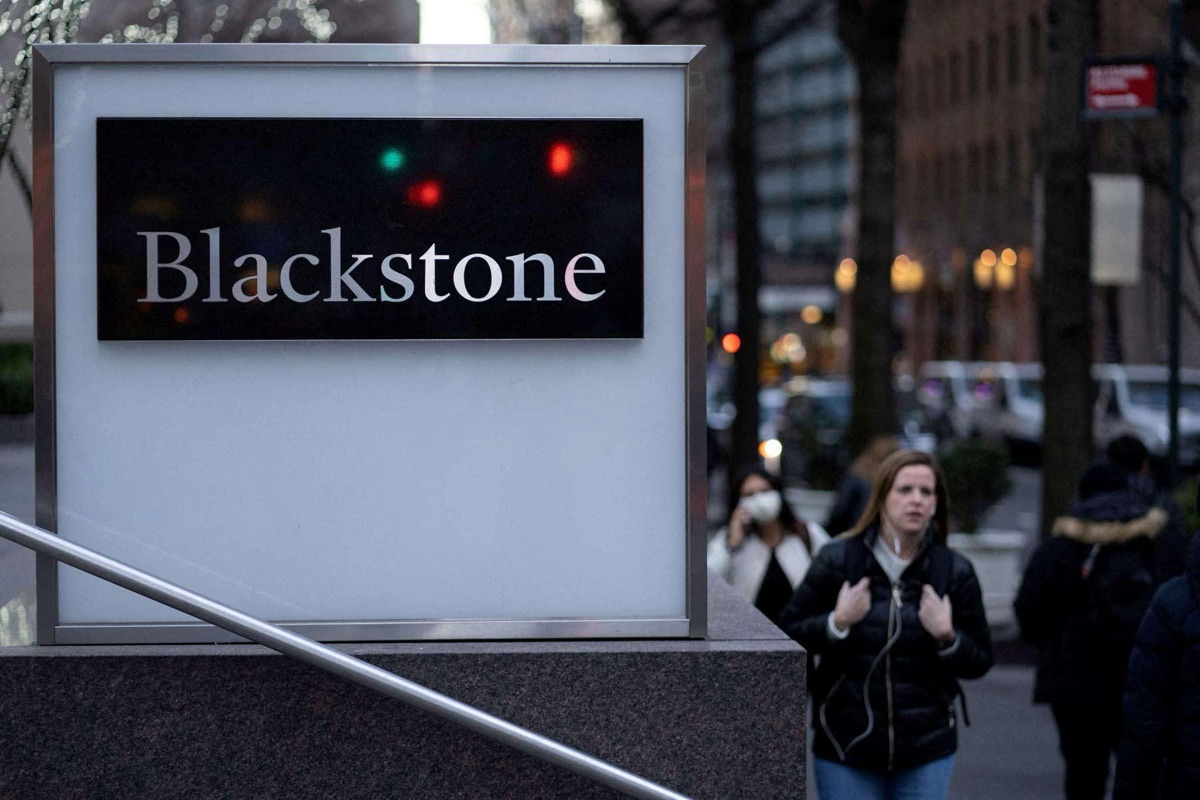
Blackstone, the largest alternative asset manager in the world, is planning to open an office in the Dubai International Financial Centre while keeping its Abu Dhabi base. The decision to hold both is the most revealing part.
Blackstone, the largest alternative asset manager in the world, is preparing to open an office in the Dubai International Financial Centre. The firm manages around 1.35 trillion dollars across private equity, real estate, credit and other strategies, which makes any decision it takes about where to place people a signal worth reading. This one is a return rather than a first arrival, since the firm moved its regional base to Abu Dhabi some six years ago, and it is now coming back to Dubai without giving up the presence it built in the capital.
That last detail is the interesting one. The plan is not to relocate from one emirate to the other but to hold both at once, running a Dubai office alongside the existing Abu Dhabi one. A firm of this size does not open a second regional office for prestige. It does so because it sees enough distinct business in each place to justify the cost, which is a quiet vote of confidence in the depth of the UAE market as a whole rather than in any single city within it.
Why Dubai, and why now
The move fits a pattern that has been building for years. Since the pandemic, the Dubai International Financial Centre has drawn a steady stream of asset managers, hedge funds, family offices and private banks, turning what was once a regional hub into a genuine node of global finance. For a firm that already invests heavily in the region, being physically present in that cluster matters, because proximity to capital, partners and deals is worth more than it appears on an organisation chart. Coming back to Dubai is less a change of mind than a recognition that the centre of gravity has grown large enough to warrant a seat in both rooms.
- Blackstone plans to open an office in the Dubai International Financial Centre.
- The firm manages around 1.35 trillion dollars across private equity, real estate, credit and other strategies.
- It will retain its existing Abu Dhabi office rather than relocate.
- The move marks a return to Dubai roughly six years after shifting its regional base to Abu Dhabi.
- It follows a run of regional investments across property, aircraft leasing and payments technology.
- The DIFC has drawn asset managers, hedge funds, family offices and private banks since the pandemic.
A presence built on real activity
The office plan does not come out of nowhere. It sits on top of a growing body of regional investment, including a stake in a Dubai-based property platform, an aircraft leasing venture with a local aerospace group, a sizeable investment in a UAE payments and data business, and interest in infrastructure assets elsewhere in the Gulf. A physical office is often the last step in a sequence that begins with deals, and here the deals have plainly been accumulating. When the investing comes first and the office follows, it signals a commitment grounded in activity rather than intention.
Our reading
Three points stand out. First, the decision by the world's largest alternative asset manager to expand rather than merely maintain its UAE footprint is a strong endorsement of the country as a base for global finance, and the scale of the firm makes that endorsement carry weight. Second, choosing to hold offices in both Dubai and Abu Dhabi is the most telling detail, because it treats the two emirates as complementary rather than competing, and it suggests the market is deep enough to support serious presences in each. Third, the fact that the office follows years of actual investment rather than preceding it is what makes the commitment credible. We read the return as one more confirmation that the UAE has become a place where the largest institutions in global finance choose not just to invest but to sit, and where the question is no longer whether to be present but how large that presence should be.
Topics