Finance
Revolut wins preliminary UAE crypto approval, and Dubai keeps pulling global fintech in
One of the world's largest fintech companies has taken a formal step toward offering regulated crypto services in the UAE, winning in-principle approval from Dubai's virtual assets regulator. The location of that decision is as telling as the decision itself.
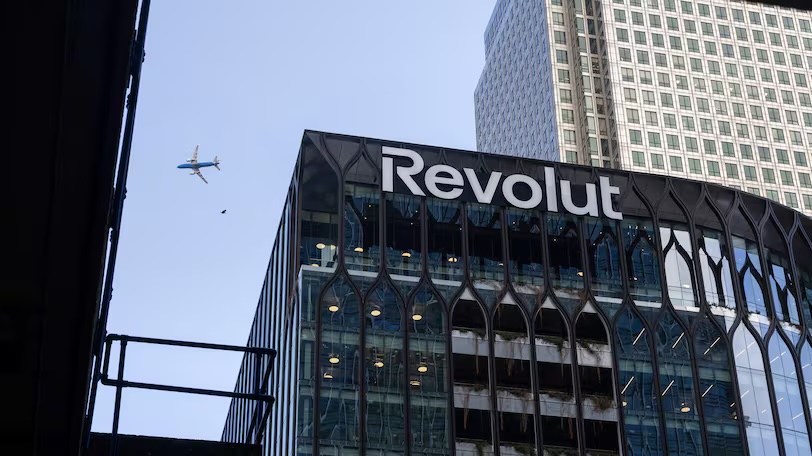
Revolut, one of the largest fintech companies in the world, has moved a step closer to offering cryptocurrency services in the UAE. Dubai's Virtual Assets Regulatory Authority has granted the company in-principle approval for a virtual asset service provider licence, a decision announced in the middle of July. It is not the final green light, but it is the moment at which a global player formally commits to entering a market, and the fact that it chose Dubai to do so is the part worth dwelling on.
The approval, once completed, would let Revolut offer a broad set of services, spanning broker and dealer activity, management and investment, and exchange functions, delivered through its main retail app and its dedicated crypto trading platform. Eligible customers in the country would eventually be able to buy, sell and hold digital assets inside a regulated framework rather than through the grey channels that crypto often relied on elsewhere. For a company with more than 75 million customers globally and over 16 million already using its crypto services, the UAE becomes another regulated market in which that existing demand can be served properly.
In-principle is not the finish line
It is worth being precise about what has and has not happened. In-principle approval is a conditional step, a signal that the regulator is satisfied with the plan and is prepared to proceed, subject to the company meeting the remaining requirements. Final sign-off is the stage that actually allows a first customer to be onboarded, and no public timeline has been set for it. The distinction matters, because it frames this as the opening of a regulated process rather than a launch. What it confirms is intent and direction, from both the company and the regulator, rather than a service that is live today.
- In-principle approval from Dubai's Virtual Assets Regulatory Authority for a virtual asset service provider licence.
- Covers broker and dealer, management and investment, and exchange services.
- Delivered through the company's retail app and its dedicated crypto trading platform.
- Eligible UAE customers would be able to buy, sell and hold digital assets within a regulated framework.
- Final regulatory sign-off is still required, with no public timeline confirmed.
- Follows stored value and retail payment licences obtained from the UAE Central Bank the previous month.
A pattern, not a one-off
This is not the company's first UAE licence this year. Only the previous month it secured stored value and retail payment permissions from the central bank, which means the crypto approval sits on top of a broader push to build a regulated presence in the country. That sequence is the more interesting signal. A single licence can be opportunistic, but a steady accumulation of them points to a considered decision to treat the UAE as a core market. When a company of this scale chooses to layer approval on approval in one jurisdiction, it is making a statement about where it expects the regulated future of digital finance to be built.
Our reading
Three points stand out. First, the news is less about one company and more about the destination, because the choice of Dubai by a global fintech is a vote of confidence in the emirate's decision to regulate virtual assets clearly rather than to ban or ignore them. Second, the value of a dedicated crypto regulator is on display here, since a defined licensing path is exactly what lets serious, well-capitalised firms enter rather than leaving the field to less accountable players. Third, the layering of licences shows that the appeal is structural, drawing global finance to build in the UAE across payments and digital assets alike. We read the approval as another data point in a now familiar story, of the UAE positioning itself at the regulated frontier of finance and of the world's largest firms deciding that is where they want to be.
Topics